
ELECTRODE COMPONENTS
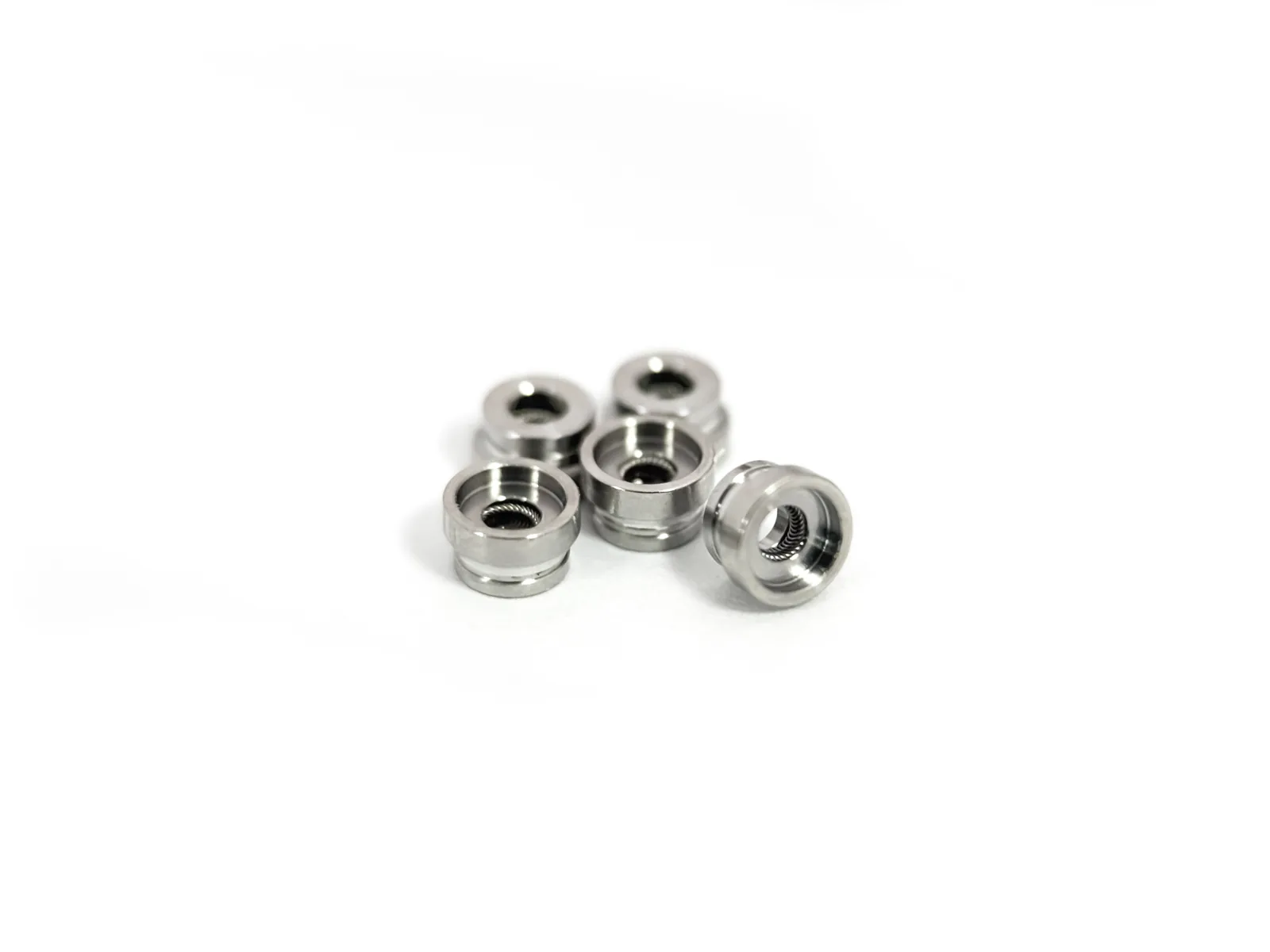
Platinum-Iridium Electrode Rings for Sensing and Stimulation Components
Ring electrodes developed where geometry, surface condition, electrical requirements and joining compatibility must be controlled together.
THE PROCUREMENT CHALLENGE
Define the electrode as part of the assembly
Performance depends on exposed area, conductor connection, insulation interface, joining process and the customer-defined electrical test.
- Electrode function and location
- Alloy
- OD, ID or wall thickness
- Length and exposed area
- Surface condition
- Connection or joining method
- Electrical test method
ENGINEERING REVIEW
Turn a drawing into an agreed manufacturing and inspection scope
Material
Confirm alloy, condition and documentation.
Geometry
Identify critical dimensions, tolerances and edges.
Assembly
Review joining, insulation and downstream processing.
Evidence
Agree tests, sampling, traceability and records.
QUALITY PLANNING
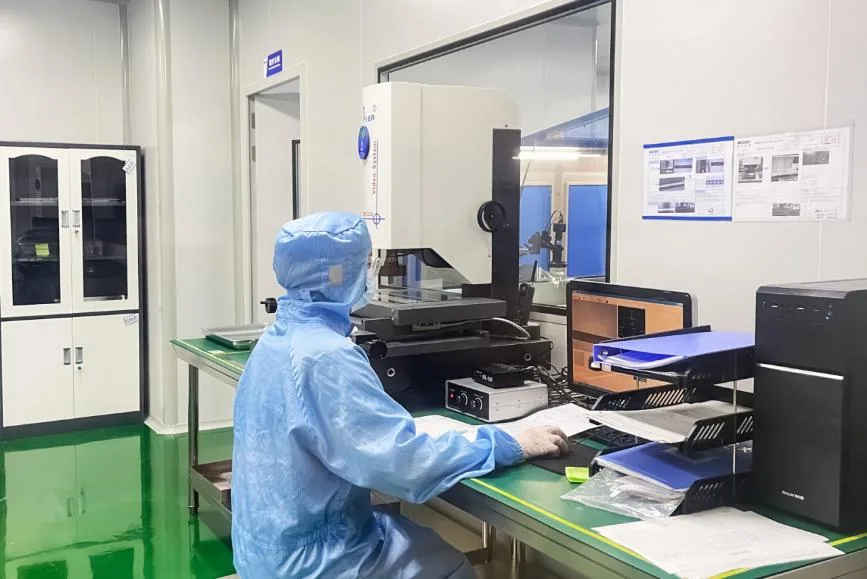
Evidence is defined with the part
Dimensional, surface, electrical, mechanical or material checks apply only when a method and acceptance criterion are agreed. Public numeric claims are intentionally avoided until product-specific evidence is approved.
Application pathways
- Electrophysiology mapping and ablation components
- Cardiac rhythm management leads
- Neuromodulation leads
- Sensing and stimulation assemblies
FAQ
Questions before quotation
What is needed to review a ring electrode?
Provide the drawing, alloy, electrical test, assembly method, mating conductor and annual volume.
Can resistance be guaranteed?
Only with defined geometry, material condition, test method and acceptance criteria.
Is the component approved for implantation?
Device-level regulatory clearance and validation remain the finished-device manufacturer’s responsibility.
START A TECHNICAL DISCUSSION
Have a drawing or preliminary specification?
Send the material, dimensions, annual volume, application context and documentation requirements. We will identify the information needed for quotation or sampling.