
MEDICAL WIRE
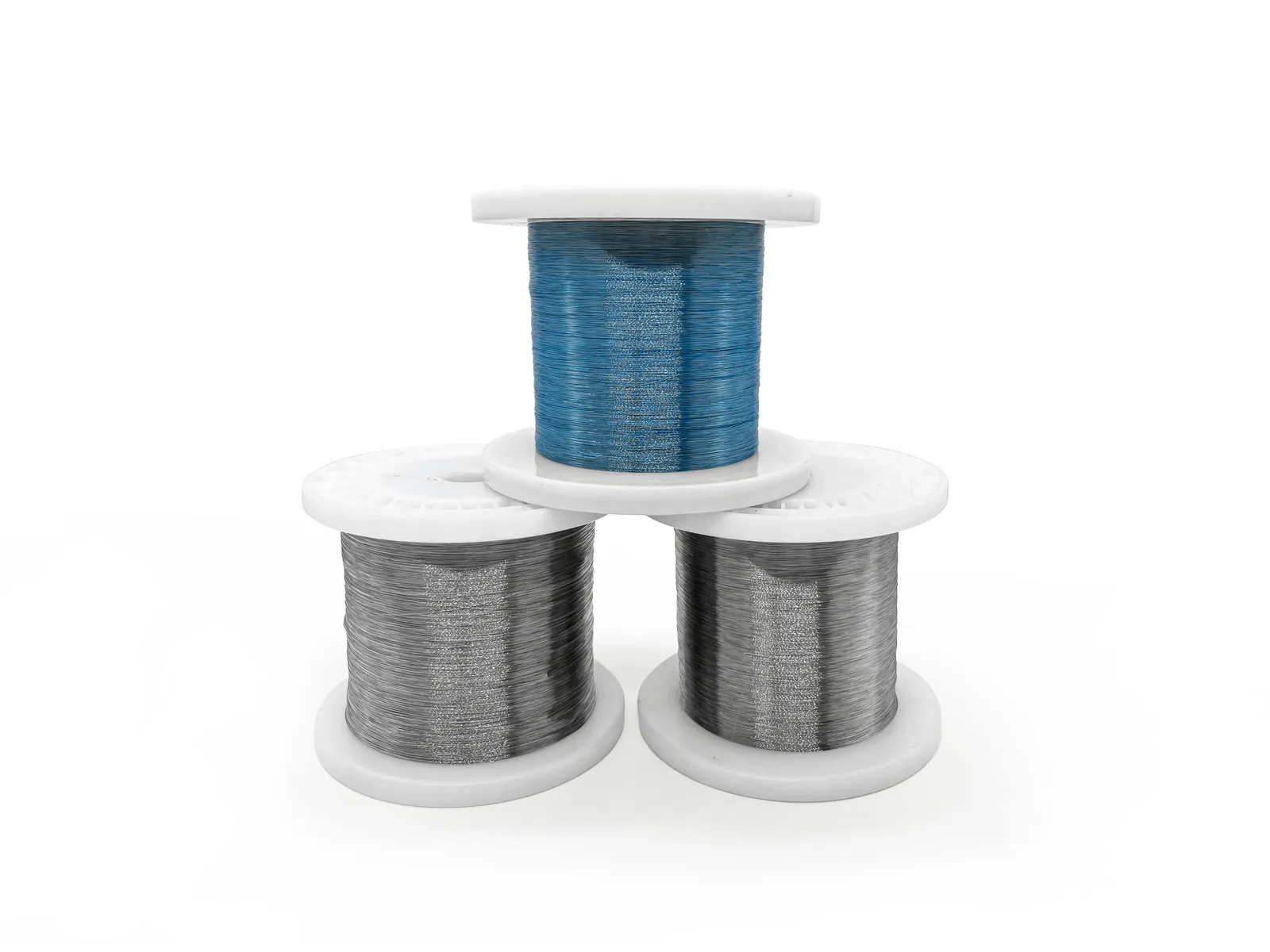
Platinum-Iridium Medical Wire for Precision Components
Fine platinum-iridium wire reviewed against alloy, diameter, tolerance, material condition, surface and downstream processing needs.
THE PROCUREMENT CHALLENGE
Specify the wire for the next process
The same nominal alloy and diameter can behave differently depending on condition, surface, spool format, forming and joining.
- Alloy composition
- Diameter and tolerance
- Temper or material condition
- Mechanical and electrical requirements
- Surface and cleanliness
- Spool, length and packaging
ENGINEERING REVIEW
Turn a drawing into an agreed manufacturing and inspection scope
Material
Confirm alloy, condition and documentation.
Geometry
Identify critical dimensions, tolerances and edges.
Assembly
Review joining, insulation and downstream processing.
Evidence
Agree tests, sampling, traceability and records.
QUALITY PLANNING
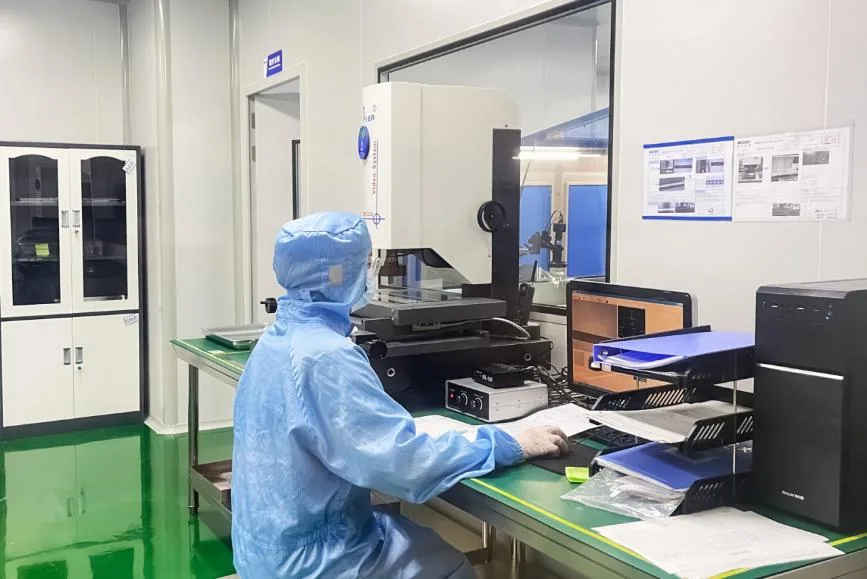
Evidence is defined with the part
Dimensional, surface, electrical, mechanical or material checks apply only when a method and acceptance criterion are agreed. Public numeric claims are intentionally avoided until product-specific evidence is approved.
Application pathways
- Electrode conductors
- Cardiac and neuromodulation lead components
- Sensor conductors
- Fine-wire assemblies
FAQ
Questions before quotation
What belongs in a wire RFQ?
Include alloy, diameter, tolerance, condition, property requirements, spool format, quantity and downstream process.
Can wire be coated or stranded?
Yes, as separate process requirements subject to the finished-conductor specification.
Do you provide material certificates?
Available records depend on the material route and agreed purchase requirements.
START A TECHNICAL DISCUSSION
Have a drawing or preliminary specification?
Send the material, dimensions, annual volume, application context and documentation requirements. We will identify the information needed for quotation or sampling.